July 14, 2026
The kitchen is one of the most frequently used spaces in any home, making it a natural place to invest in thoughtful improvements. While new appliances and decorative finishes often attract attention, cabinetry plays the most significant role in determining how the room looks, feels, and functions. Cabinets influence everything from organization and storage to traffic flow and overall visual appeal, making them one of the most impactful features of any renovation.
Homeowners often begin planning an upgrade because their current cabinets no longer meet their needs. Storage may feel limited, finishes may appear dated, or the layout may no longer support everyday routines. Rather than viewing cabinetry as simply a collection of boxes and doors, it helps to think of it as the foundation that ties the entire kitchen together. Every surrounding element, from lighting and flooring to countertops and backsplashes, works alongside the cabinets to create a cohesive environment.
Choosing the right kitchen cabinet design is about more than selecting attractive colors or popular styles. Successful renovations balance beauty with functionality while considering how the household actually uses the space every day. Careful planning results in a kitchen that feels welcoming, operates efficiently, and continues to satisfy homeowners for years to come.
1. Choose Updated Door Styles
Cabinet doors establish the visual personality of a kitchen. Whether the goal is a traditional appearance, a transitional style, or a sleek contemporary atmosphere, the door profile immediately shapes how the room is perceived.
Simple, streamlined doors often create a clean and open feeling, while more detailed profiles add character and architectural interest. The ideal choice depends not only on personal taste but also on the home’s overall style. Cabinets should complement surrounding rooms instead of feeling disconnected from the rest of the property.
Professional guidance helps homeowners compare finishes, profiles, textures, and construction methods before making a decision. By carefully evaluating these elements together, the final kitchen cabinet design achieves balance rather than following trends that may quickly become outdated.
2. Incorporate Smarter Storage Features
Modern cabinetry is designed to improve organization as much as appearance. Better storage solutions reduce clutter, simplify meal preparation, and make everyday tasks more convenient.
Deep drawers, pull-out shelves, concealed organizers, tray storage, corner solutions, and customized cabinet interiors allow homeowners to maximize every available area. Instead of struggling to reach items stored in difficult spaces, everything becomes more accessible and easier to organize.
Professional designers evaluate how each household uses the kitchen before recommending storage features. Families who enjoy entertaining may prioritize serving pieces, while enthusiastic home cooks often benefit from dedicated cookware storage or pantry organization.
Every storage decision contributes to a more efficient kitchen cabinet design that supports daily routines instead of creating unnecessary frustration. Well-organized cabinetry also helps countertops remain cleaner, allowing the entire room to feel larger and more inviting.
3. Select Durable Cabinet Materials
Cabinet materials directly affect longevity, maintenance, and overall performance. Choosing quality materials helps ensure the investment continues delivering value long after the renovation is complete.
Different wood species, engineered materials, finishes, and construction methods each provide unique benefits. Moisture resistance, structural stability, finish durability, and ease of maintenance all deserve careful consideration during the planning process.
Rather than focusing solely on initial appearance, homeowners benefit from evaluating how materials will perform under everyday conditions. Kitchens experience frequent temperature changes, humidity, cooking activity, and regular cleaning, making durability especially important.
Working with experienced professionals allows homeowners to compare material options objectively while selecting finishes appropriate for their lifestyle. A carefully planned kitchen cabinet design combines attractive aesthetics with dependable performance, reducing maintenance concerns while preserving beauty for years.
4. Introduce Fresh Color Palettes
Color has the power to completely transform a kitchen’s atmosphere. Lighter finishes often create an open, airy environment, while richer tones add warmth, sophistication, and visual depth.
Rather than selecting colors based only on current popularity, homeowners should consider natural lighting, flooring, countertops, and nearby living spaces. Coordinated colors create continuity throughout the home while preventing the kitchen from feeling isolated.
Professional designers understand how different finishes interact with lighting throughout the day. What appears perfect in a showroom may look dramatically different inside a particular home, making personalized recommendations especially valuable.
A thoughtfully coordinated kitchen cabinet design uses color to enhance architectural features while creating a welcoming environment suited to everyday living. Balanced palettes also provide flexibility when updating decorative accessories in the future.
5. Upgrade Cabinet Hardware
Cabinet hardware may seem like a relatively small detail, but it significantly influences both style and usability. Handles, knobs, hinges, drawer pulls, and specialty accessories contribute to the overall character of the cabinetry while supporting comfortable everyday operation.
Selecting hardware involves much more than choosing an attractive finish. Scale, durability, ergonomics, and compatibility with cabinet styles all deserve attention during the planning process.
Coordinating hardware with faucets, lighting fixtures, and decorative accents creates consistency throughout the kitchen. These subtle connections help every design element feel intentional rather than assembled independently.
Including hardware selection within the overall kitchen cabinet design ensures every visible detail contributes to a polished final appearance. Small refinements often have a surprisingly large impact on the finished space, elevating both functionality and visual sophistication.
Quality hardware also contributes to long-term satisfaction by providing smooth operation and dependable durability throughout years of daily use.
6. Enhance Functionality With Custom Layouts
Renovating cabinetry creates an opportunity to rethink how the kitchen functions rather than simply replacing existing cabinets with similar ones.
Professional designers evaluate traffic patterns, storage requirements, appliance placement, preparation areas, and family routines before recommending layout improvements. Even modest adjustments may dramatically improve efficiency while making the kitchen feel more spacious and comfortable.
Customized layouts also allow homeowners to prioritize features that matter most to their lifestyle. Some households value expanded pantry storage, while others prefer additional preparation areas or dedicated spaces for entertaining.
Every decision should support a comprehensive kitchen cabinet design that reflects how the kitchen is actually used. Functional planning creates a space that serves homeowners well both during busy weekdays and special gatherings.
According to Architectural Digest, complete kitchen renovations deliver an average return on investment of 75%, demonstrating that carefully planned improvements often enhance both everyday enjoyment and long-term property value.
7. Create a Cohesive Overall Appearance
Successful cabinet renovations involve much more than selecting attractive finishes. Every visible component should work together to create a unified environment that reflects the home’s overall style.
Cabinet proportions, trim details, molding profiles, lighting, countertops, flooring, backsplashes, and decorative elements all contribute to the finished appearance. When these features complement one another, the kitchen feels balanced, welcoming, and professionally designed.
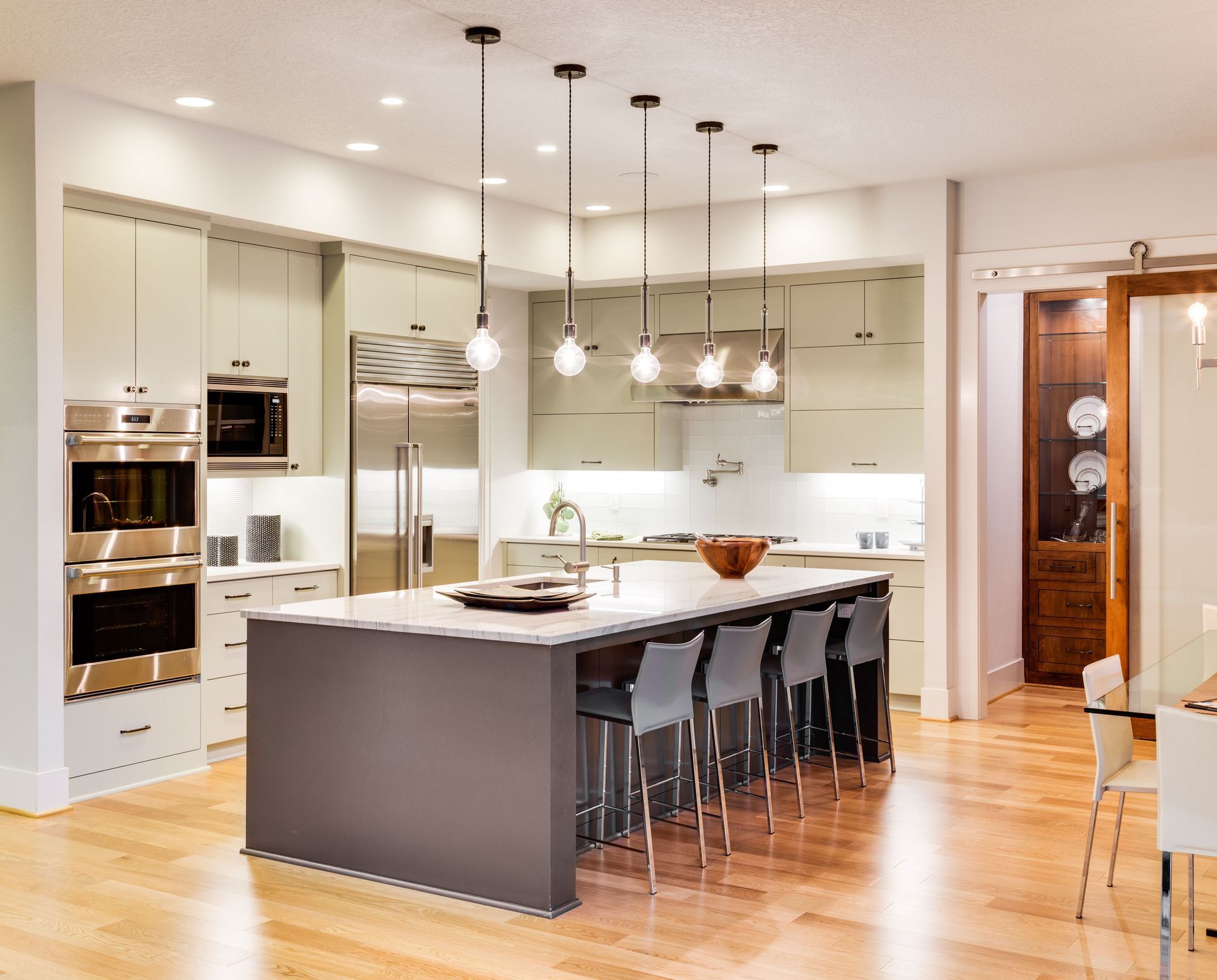
Consistency becomes especially important in open-concept homes where the kitchen connects directly with dining and living areas. Coordinating materials and finishes creates visual flow while allowing each space to maintain its own purpose.
Professional planning also considers future needs. Storage requirements, accessibility preferences, household changes, and evolving lifestyles all influence cabinetry decisions. Designing with flexibility in mind helps ensure the renovation continues meeting expectations well into the future.
A comprehensive kitchen cabinet design focuses on the entire experience rather than isolated upgrades. Every decision contributes to a kitchen that feels thoughtfully organized, visually appealing, and highly functional.
Kitchen cabinet renovations represent one of the most valuable opportunities to improve both the appearance and functionality of a home. From updated door styles and durable materials to smarter storage, cohesive layouts, carefully selected finishes, and coordinated hardware, every improvement contributes to a space that better supports daily living.
Because cabinetry influences nearly every aspect of the kitchen, thoughtful planning makes a lasting difference. Experienced professionals can recommend solutions tailored to each home’s architecture, lifestyle, and long-term goals while ensuring every detail works together harmoniously.
If you’re ready to transform your kitchen with personalized cabinetry solutions, contact Wholesale Cabinet Design & Supply. Together, we can create a kitchen cabinet design that combines lasting beauty, exceptional functionality, and craftsmanship designed to serve your home for years to come.