July 30, 2026
In the dynamic landscape of kitchen renovation, cabinet trends are pivotal in shaping the aesthetics and functionality of modern spaces. Homeowners are leaning toward innovative kitchen cabinet design solutions that marry style and practicality. The current market preferences highlight choices that make homes more comfortable, durable, and visually appealing. From embracing sustainable materials to integrating cutting-edge technology, these shifts reflect a significant evolution in architectural philosophy.
Environmental consciousness is driving the demand for eco-friendly materials, non-toxic finishes, and certified sourcing. Simultaneously, personal style continues to influence choices, making custom kitchen cabinet design central to modern remodeling projects. Homeowners want tailored spaces that look beautiful and perform reliably over decades of daily use. Investing in premium workmanship ensures that the busiest room in the house remains resilient against wear while maintaining its long-term market value. Carefully planned storage and intentional design choices foster a welcoming environment for gathering, cooking, and everyday family activities.
Embracing Sustainable Materials in Modern Layouts
Eco-conscious choices are transforming how cabinetry is made and selected. The rise of recycled woods provides unique character and warmth, utilizing materials salvaged from older structures that new lumber cannot replicate. This preference reduces the carbon footprint of home improvement projects while giving kitchens a distinct tactile quality. Industry certification from organizations like the Forest Stewardship Council (FSC) ensures environmental compliance and boosts consumer confidence.
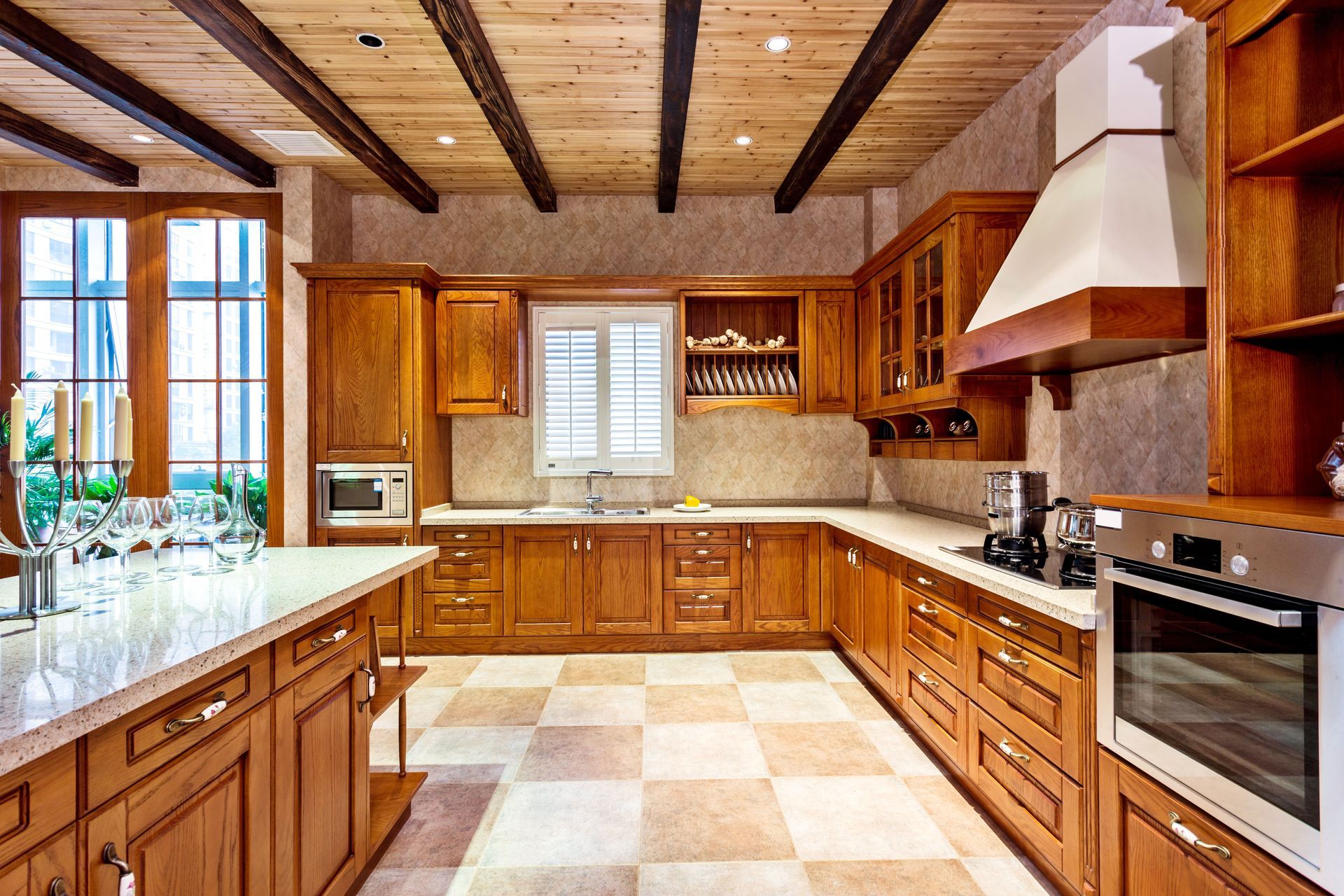
Bamboo is also emerging as a top alternative due to its exceptionally rapid growth rate and inherent durability. It offers a robust yet lightweight construction material that naturally resists moisture and pests, making it highly suitable for diverse climates. According to Houzz, nearly three in ten renovating homeowners (29%) are choosing wood cabinets for their kitchen remodel, pushing white into second place at 28%. This shift highlights the growing appreciation for natural grains and earthy aesthetics over uniform synthetic surfaces.
Completing this eco-friendly shift is the widespread adoption of non-toxic, water-based finishes and plant-derived adhesives. Traditional options often emit volatile organic compounds (VOCs) that degrade indoor air quality, whereas modern alternatives eliminate these health hazards. Soy-based glues ensure structural integrity without compromising wellness, creating safer environments where families prepare and enjoy meals every day.
Homeowners are progressively realizing that sustainable sourcing does not mean sacrificing upscale appeal. These green products offer incredible resistance to daily wear and tear while delivering high design value. Selecting eco-certified cabinetry serves as a long-term investment that elevates residential air quality and safeguards the planet simultaneously.
Reviving Bold Color Palettes for Added Depth
Deep blue hues are experiencing a major renaissance in kitchen cabinet design, becoming an emblem of bold, sophisticated aesthetics. The return of this color marks a departure from the long-standing dominance of plain neutral tones, introducing a richer and more dramatic environment. Deep blues offer a striking contrast against traditional quartz countertops and pair elegantly with warm metallic accents like brushed brass or copper.
Warm greens are also finding a permanent place in modern homes, heavily inspired by the biophilic design movement that seeks to bring elements of nature indoors. From vibrant emeralds to muted olives, green cabinetry establishes a calming, stress-reducing ambiance that bridges the gap between the indoors and outdoors. These tones combine seamlessly with natural stone surfaces and exposed wooden beams, creating a balanced and grounded social hub.
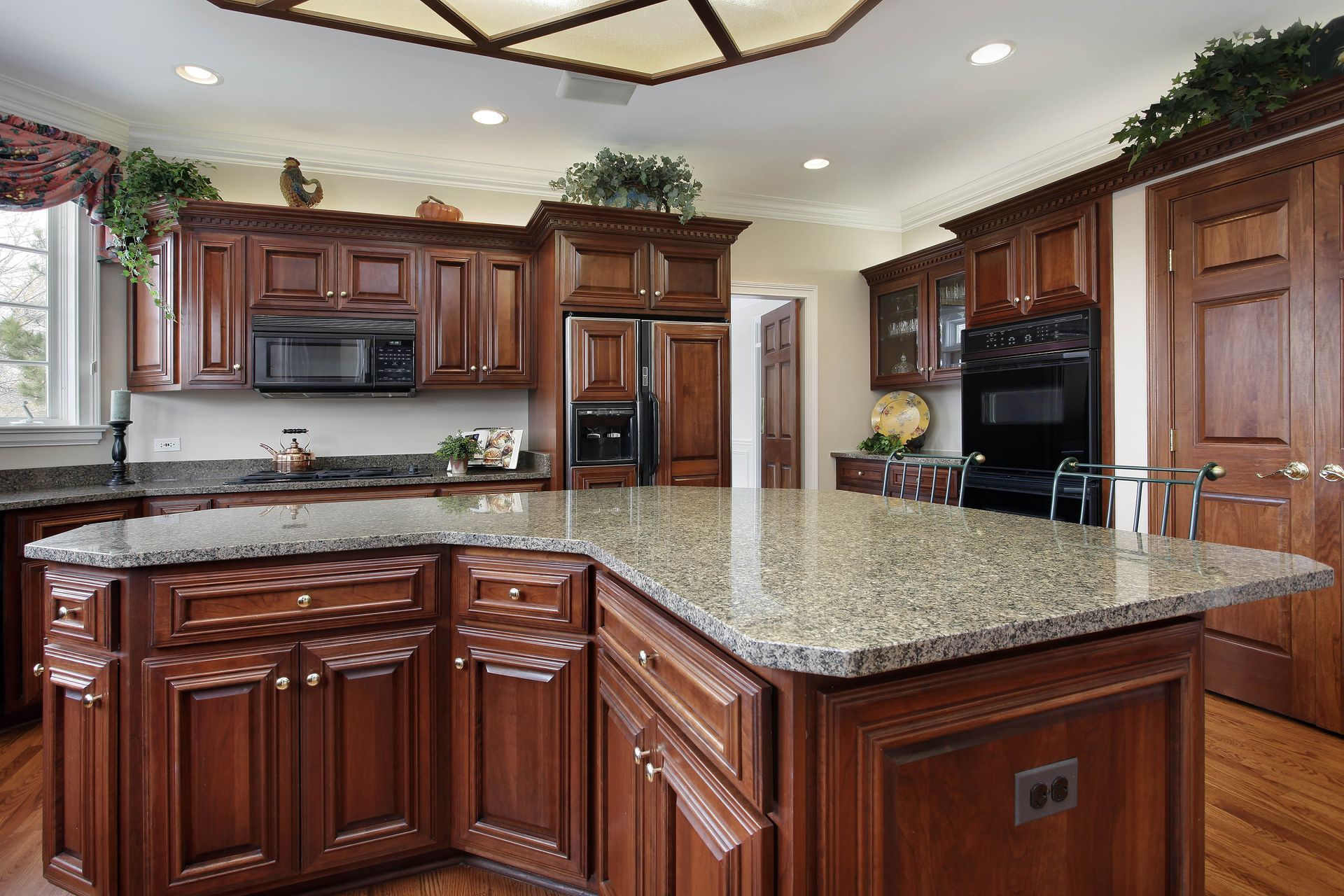
Homeowners are taking this color exploration further by incorporating two-tone cabinet configurations to ground large open-concept spaces. Installing dark, moody shades on lower cabinets or central islands while keeping upper units light prevents the kitchen from feeling enclosed. This strategy adds layered visual complexity, accentuates architectural details, and allows personal creativity to shine without overwhelming the home's overall layout.
Saturated tones bring an undeniable artistic energy into culinary spaces, allowing individuals to break free from sterile aesthetics. By balancing darker perimeters with clever lighting configurations, designers achieve a welcoming, custom appearance. These brave, intentional pigments redefine the entire cooking environment into an inviting destination for social entertainment.
Integrating Seamless and Sleek Layout Designs
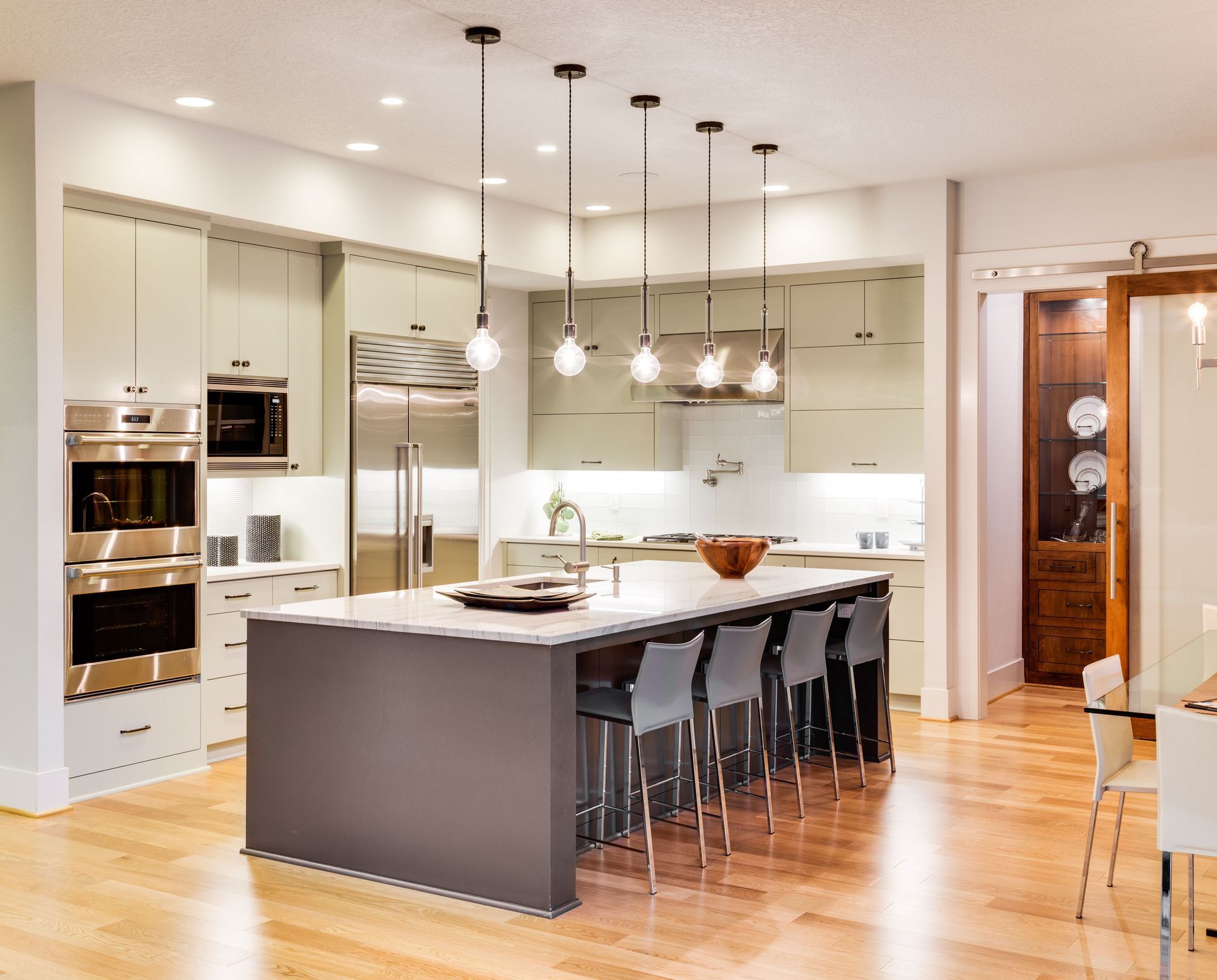
Achieving a minimalist aesthetic often relies heavily on streamlined kitchen cabinet design choices that eliminate visual clutter. Handleless cabinets featuring touch-to-open latches or recessed J-pull channels are leading this architectural movement. These solutions create flat, uninterrupted expanses of cabinetry that emphasize clean lines and architectural geometric precision.
Beyond looking exceptionally modern, handleless systems optimize physical space, making them ideal for compact kitchens or narrow high-traffic walkways. Eliminating protruding hardware reduces accidental bumps and simplifies surface cleaning, requiring nothing more than a quick wipe down. Advanced soft-close internal mechanisms ensure these doors operate quietly and reliably under heavy daily use.
This sleek philosophy extends to integrated appliance paneling, which hides refrigerators, dishwashers, and trash recyclers behind matching cabinet faces. The resulting continuity makes the kitchen look like a custom-built architectural installation rather than a collection of mismatched utilities. This visual unification helps the cooking space blend seamlessly into adjacent dining and living areas, expanding the perceived footprint of the home.
Optimizing Functional Storage for Better Utility
Modern layouts prioritize internal organization just as much as external aesthetics, forcing a shift away from standard deep shelves where items get lost. Deep base drawers equipped with heavy-duty glides have largely replaced traditional lower cabinets. These drawers pull out fully to expose items instantly, minimizing the need to bend down or dig through dark corners.
Customizable inserts, integrated spice racks, and dedicated pull-out pantries maximize every cubic inch of available space. Corner cabinets, traditionally notorious for wasted volume, now utilize sophisticated blind-corner pull-out systems and rotating trays that bring hidden items forward. This meticulous space planning ensures that countertops remain completely free of clutter, giving food preparation areas a cleaner, more organized presentation.
Vertical storage solutions are also evolving, with touch-controlled motorized lift-up upper doors replacing standard side-hinged cabinetry. Specialized appliance garages hidden behind rolling or pocket doors keep blenders, mixers, and coffee stations plugged in and ready for use, but tucked neatly out of sight when finished. These smart additions elevate the overall efficiency of the workflow, saving valuable time during meal preparation.
Engineered storage solutions effectively maximize awkward structural layouts to eliminate dead space. Incorporating deep drawer glides allows immediate access to heavy pots and cooking vessels without physical strain. This focus on premium utility converts hectic food preparation routines into highly organized, stress-free tasks.
Selecting Contrasting Hardware for Personal Expression
When executing a comprehensive kitchen cabinet design, hardware acts as the perfect finishing touch. The strategic use of contrasting hardware turns purely functional components into decorative assets that pull the room together. Homeowners are intentionally pairing matte black handles with light oak finishes, or using brushed gold knobs against deep charcoal backgrounds.
This attention to detail allows for easy customization and presents an affordable opportunity to refresh the space down the road. Mixing shapes, such as utilizing elongated linear pulls for wide drawers alongside simple round knobs for vertical doors, adds subtle architectural interest. The hardware acts as visual punctuation that defines the cabinetry's underlying stylistic direction and balances the textures used throughout the room.
Manufacturers are supporting this demand by introducing durable, tactile finishes like knurled metals, matte textures, and living patinas that age gracefully over time. High-quality hardware elevates the daily tactile experience of interacting with the kitchen, proving that small details yield a massive impact on the overall success of a renovation. These accents act as jewelry for the room, tying disparate design elements into one unified masterpiece. Selecting the perfect finishes creates a tailored environment that showcases unique style and timeless quality.
Modern cabinetry preferences balance responsible sustainability, daring color choices, architectural minimalism, and hyper-functional storage. By choosing certified natural woods, sophisticated hardware pairings, and smart space-saving configurations, homeowners are engineering kitchens that serve as both reliable workspaces and beautiful entertaining areas. For more information about the services that we offer, reach out to our incredible team at Wholesale Cabinet Design & Supply today!